

Mortgage Shopping Tips
How do you know you're getting the best deal? Are all lenders the same? Here are a few shopping tips I share with my customers
When you negotiate a purchase agreement with a seller, you'll be asked to put down earnest money. Earnest money is a deposit that shows the seller you're serious. It's held in escrow until the transaction is in the final stages.
Your real estate agent can advise you exactly how much to deposit. Most earnest money deposits are between $500 and $3,000.
At closing, your earnest money will be deducted from the amount you owe for down payment and closing costs.
If you back out of the deal, you could lose your earnest money. However, there are almost always a whole slew of exceptions written into your contract. If the appraisal comes in low, your loan is declined, or your inspection is unsatisfactory, you may be able to renege your offer without penalty.
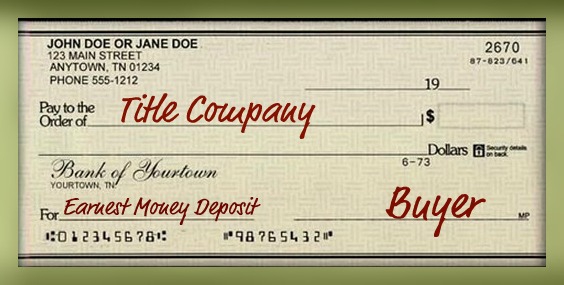
Like any money that you plan to use to purchase your home, the underwriter will need to "source" your earnest money. She'll want proof that the funds belong to you and originated from an acceptable source.
If you have questions about earnest money, ask your lender before you hand the check to escrow.